SoilExact and CropExact
See here how to get started with your sensors
Installing a SoilExact
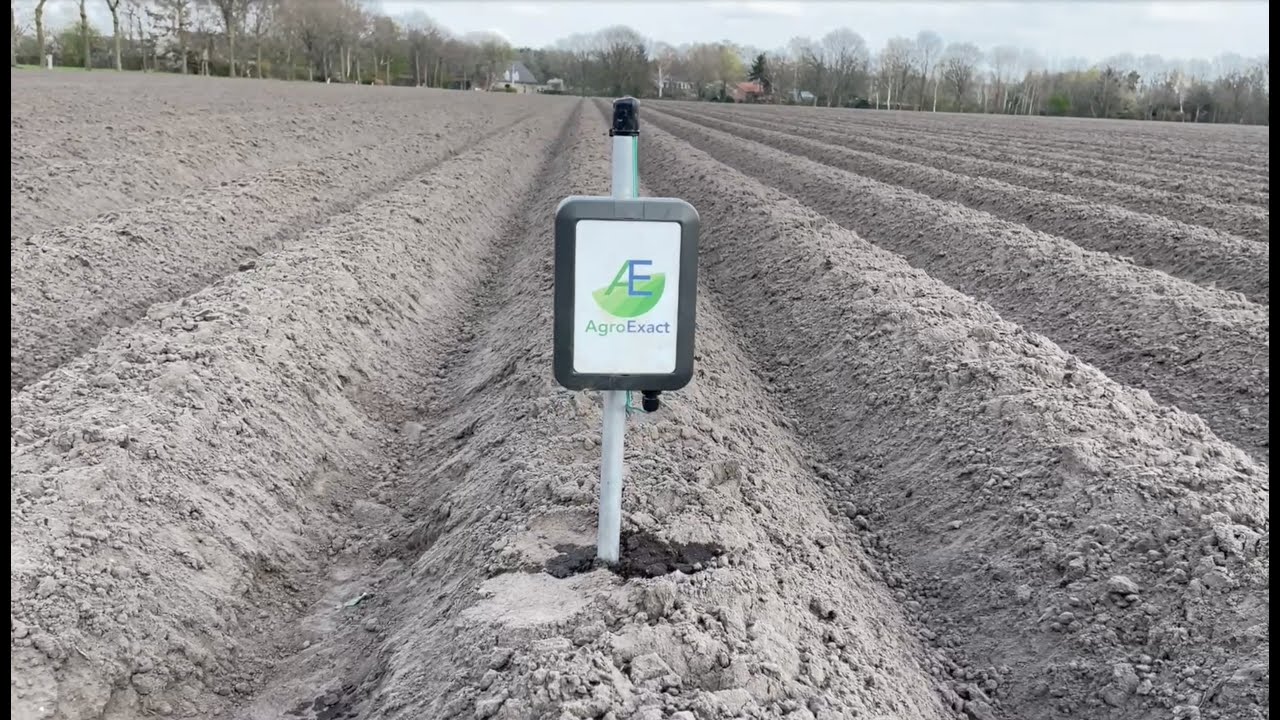
Installing a CropExact
Frequently asked questions
Where on my field is the best place for a sensor?
To be able to judge as quickly as possible whether you need to irrigate, it is best to place the sensor in a spot that is always the first to dry out. That gives you the best chance of always being on time. As a rule, the highest part of the field dries out first.
When is the best time to place the sensor?
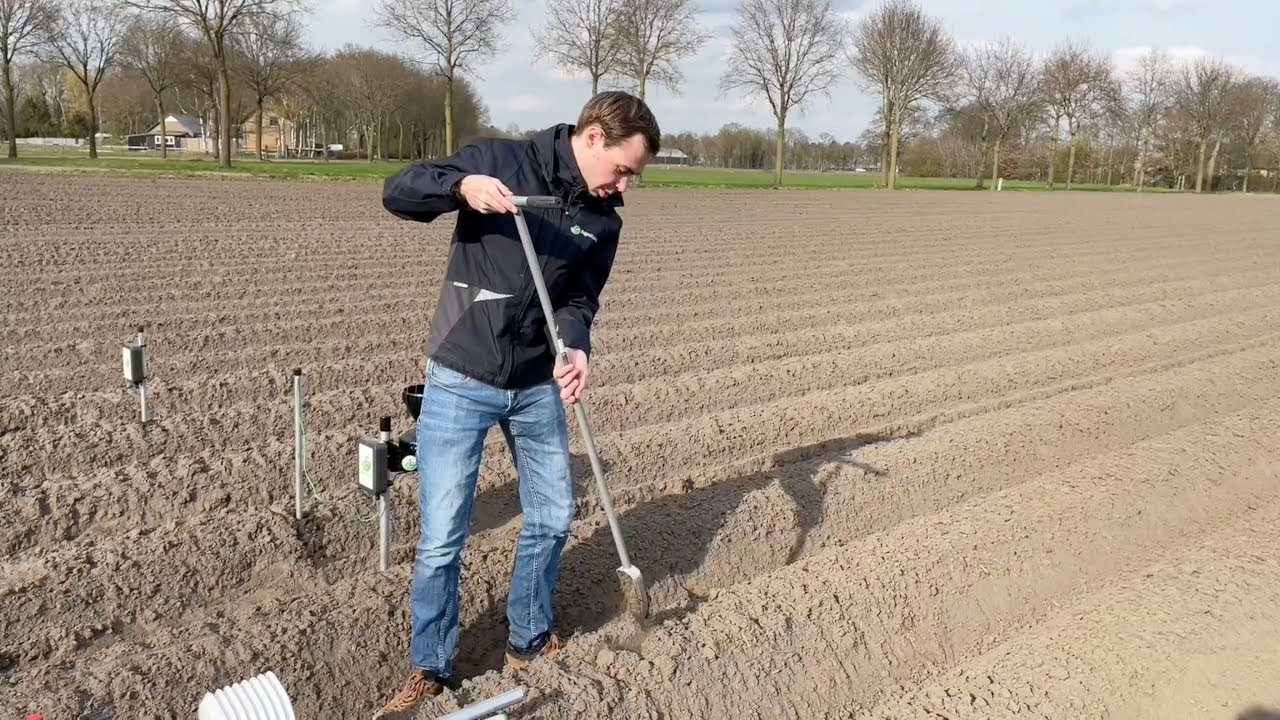
Place the sensor after you have finished tillage, so that it can stay in the same location and at the same depth throughout the growing season.
At what depth should I place the sensor?
The depth at which you place the sensor depends on the crop, the soil type and your own judgement.
The goal is to map the moisture where the plant extracts it from the soil, at root depth. This differs per crop. For 42 crops we have the recommended placement depth ready in the app. For example:
- Potatoes: ~35 centimeters deep, measured from the top of the potato ridge.
- Onions: ~20 centimeters deep.
- Sugar beets and wheat: ~30 (sand) to ~45 (clay) centimeters deep.
You can judge for yourself whether most roots of your specific crop will end up deeper or somewhat shallower.
What does soil water tension mean?
Soil water tension is comparable to the force (or rather, the pressure) a plant has to exert to extract moisture from the soil. The higher the tension, the harder it is to take up moisture. If the tension gets too high, it comes at the expense of growth. In the worst case a plant can wilt.
A value of 10 kPa is also known as field capacity. If there is so much water in the soil that the tension drops below 10 kPa, the soil can no longer hold it and the water drains away to deeper layers until the value is back at 10 kPa.
So the tension is related to the soil moisture percentage, but exactly how that conversion works depends on the soil type.
In clay soils a much higher soil moisture percentage is needed to reach a low tension than in sandy soils. A plant can easily take up moisture from sandy soils.
That is why we largely base our recommendations on the tension we measure directly, without conversions based on soil type. We present the recommendations in the form of color codes.
What do the colors in the app mean?
Other tips
Stability
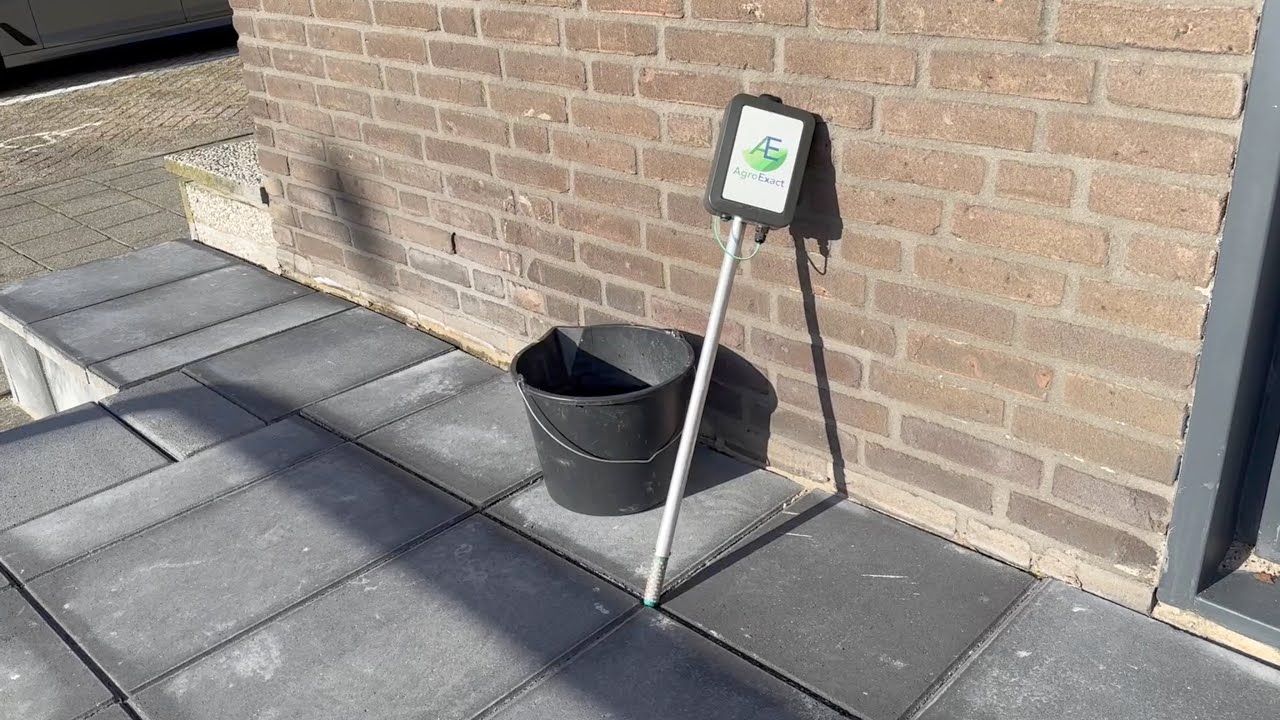
To prevent the sensor from tipping over when placed at a shallow depth, it is important that the housing sits close to the ground in that case, for the right balance. There is enough spare cable inside the housing for this. By unscrewing the cable gland, the cable can be carefully pulled out of the housing a little.
Saving the battery
Please note: make sure the on/off button at the bottom left of the housing is pressed in, only then is the sensor switched on. In winter you can store the sensor indoors in the switched-off position without it using any power. That way the battery lasts as long as possible.
Service and maintenance
After switching on the sensor, it can take a few hours before the first measurement appears in the app. This also applies when you switch the sensor back on after the winter months in storage. Accidentally left the sensor on, or has it been very cold? Then the battery may also be almost empty. Simply order a new battery in the AgroExact App via the menu: Extensions. And of course, you can always contact us with any questions.
Calibrating your sensor
Replacing the battery (C cell, up to 2024)
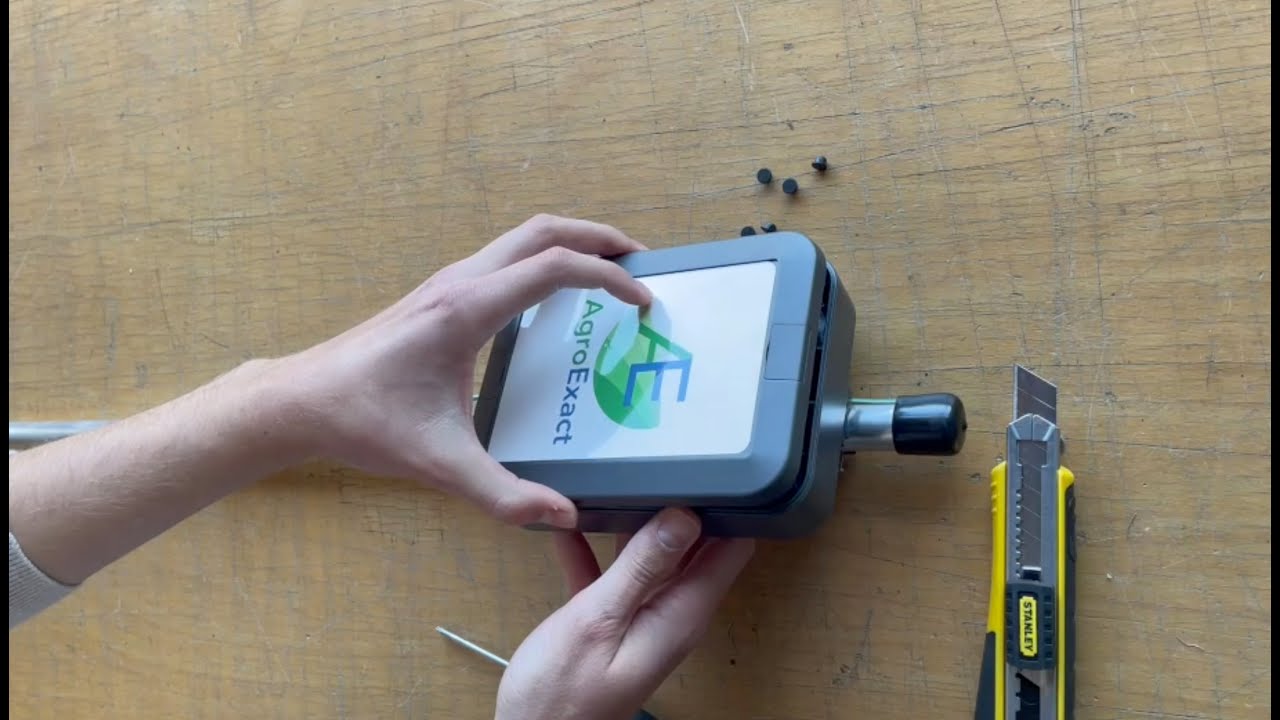
Replacing the battery (D cell, from 2024)